New Paper: Ten Years of Weathering in Silicon Heterojunction Solar Cells
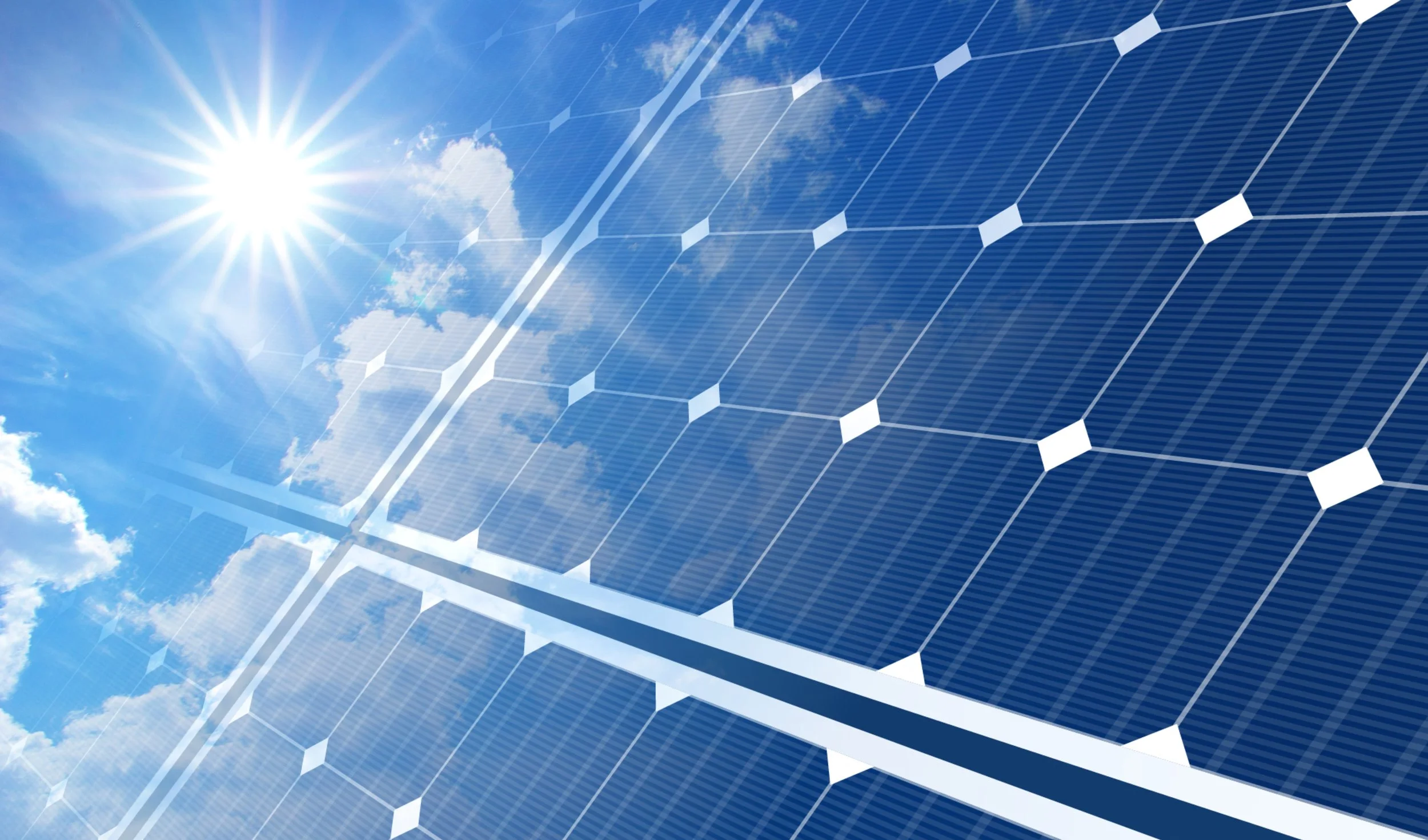
I’m excited to share a new paper just published in Solar Energy Materials and Solar Cells, led by my colleagues Andrew Norman, Dana Kern, and Michelle Smeaton at the National Laboratory of the Rockies!
Silicon heterojunction (HIT) solar cells owe their high efficiency to an ultra-thin passivation layer at the silicon surface, but nobody had taken a close atomic-scale look at what a decade of real outdoor exposure does to that layer. We examined cells cored from the same modules that had been weathered for 10 years in Florida’s heat and humidity and Colorado’s drier climate, comparing them against an unexposed control using high-resolution electron microscopy.
The interfaces turned out to be remarkably durable — largely unchanged in structure and composition despite measurable voltage losses in the field — which means the real driver of degradation is likely hiding below what standard imaging can resolve, in things like hydrogen migration or subtle electronic defects. We also caught the electron beam itself reacting with the interface during long acquisitions, a good reminder to be careful about what our measurements might be doing to the sample.
Read the paper here: https://authors.elsevier.com/c/1nWJO3In-9SxCT